Andrew Planck

Astronomer, Teacher, Musician

Menu

  • Home
  • About
  • Shop
    • Cart
    • Checkout
  • Blog
  • Services
  • Resources
  • Contact

Imbrium basin

Apennine Mountain Range on the Moon – Most Spectacular Feature

Apennine Mountain Range on the Moon – Most Spectacular Feature

The week of August 25-31 takes us from Day 25 to Day 9. This week we will highlight Montes Apenninus, visible on Sunday night close to the terminator. Montes Apenninus: [NW/H9-G10; L=4°W] The Apennine Mountain Range is the most spectacular

Andrew Planck August 25, 2025August 22, 2025 Lunar Days in August, Mountain Ranges on the Moon No Comments Read more

Sinus Iridum – Bay of Rainbows on the Moon

Sinus Iridum – Bay of Rainbows on the Moon

The week of April 7-13 takes us from Lunar Day 10 to Day 16. This week we will highlight Sinus Iridum, visible on Tuesday night close to the terminator. Sinus Iridum: [NW/E6; L=32°W] Sinus Iridum (the Bay of Rainbows), located

Andrew Planck April 7, 2025April 3, 2025 Craters on the Moon, Dates to Observe Objects on the Moon, Lunar Days in April, Moon craters, Uncategorized No Comments Read more

Apennine Mountain Range – Result of Impact that Created Imbrium Basin on the Moon

Apennine Mountain Range – Result of Impact that Created Imbrium Basin on the Moon

The week of February 3-9 takes us from Lunar Day 5 to Day 12. This week we will highlight the Apennine Mountains on the moon, visible on Thursday night close to the terminator. Montes Apenninus: The Apennine Mountain Range is

Andrew Planck February 3, 2025January 30, 2025 Dates to Observe Objects on the Moon, Lunar Days in February, Mountain Ranges on the Moon No Comments Read more

Most Spectacular Feature on the Moon – Apennine Mountain Range
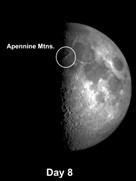
Most Spectacular Feature on the Moon – Apennine Mountain Range
The week of February 12-18 takes us from Day 3 to Day 9. This week we will highlight Montes Apenninus, located in the NW quadrant of the field map and viewable on Friday evening. Montes Apenninus: The Apennine Mountain Range

Andrew Planck February 12, 2024February 9, 2024 Dates to Observe Objects on the Moon, Lunar Days in February, Mountain Ranges on the Moon No Comments Read more

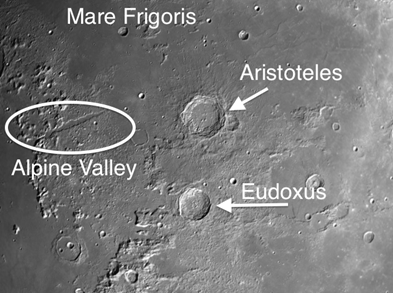
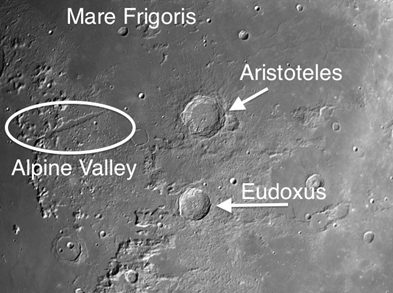
Eye-Catching Pair of Moon Craters – Aristoteles and Eudoxus

Eye-Catching Pair of Moon Craters – Aristoteles and Eudoxus

The week of December 25-31 takes us from Day 14 to Day 20. This week we will highlight the moon craters Aristoteles and Julius Caesar, viewable on Sunday night and found in the NE quadrant of the Field Map. Aristoteles:

Andrew Planck December 25, 2023December 17, 2023 Craters on the Moon, Dates to Observe Objects on the Moon, Lunar Days in December, Moon craters No Comments Read more

Moon Craters Aristoteles and Julius Caesar

Moon Craters Aristoteles and Julius Caesar

The week of November 28 – December 4 takes us from Lunar Day 6 to Day 12. This week we will highlight the moon craters Aristoteles & Julius Caesar, found in the NE quadrant of the Field Map. Aristoteles: [NE/D11;

Andrew Planck November 28, 2022November 27, 2022 Craters on the Moon, Dates to Observe Objects on the Moon, Lunar Days in December, Lunar Days in November No Comments Read more

Julius Caesar on the Moon

Julius Caesar on the Moon

The week of April 26 – May 2 takes us from Full Moon to Lunar Day 21. This week we will highlight the crater Julius Caesar, viewable early Sunday morning on Day 21. Julius Caesar1: [NE/J11] In the Sea of

Andrew Planck April 26, 2021April 26, 2021 Craters on the Moon, Dates to Observe Objects on the Moon, Lunar Days in April No Comments Read more

Astronauts Made Important Discoveries at Hadley Rille on the Moon

Astronauts Made Important Discoveries at Hadley Rille on the Moon

The week of January 4-10 takes us from Lunar Day 21 to 27. This week we will highlight Hadley Rille, viewable at midnight on Monday. Rima Hadley: [NE/G10] This feature formed as lava from a nearby volcanic vent flowed onto

Andrew Planck January 4, 2021January 3, 2021 Craters on the Moon, Lunar Days in January, Rilles on the Moon No Comments Read more

720 Mile Wide Crater – Imbrium Basin

720 Mile Wide Crater – Imbrium Basin

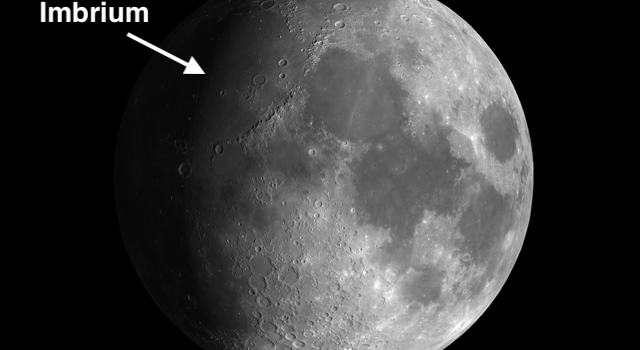
The week of May 13-19 takes us from lunar Day 9 to 16. This week we will highlight Mare Imbrium, viewable throughout the week. Mare Imbrium: [±NW/F8] The Imbrium basin was created 3.9 billion years ago when an asteroid 60

Andrew Planck May 13, 2019May 12, 2019 Craters on the Moon, Lunar Days in May, Mountain Ranges on the Moon, Multi-ring basin on the moon No Comments Read more

Categories

Fill out my online form.

It is highly recommended that you get a copy of Sky and Telescope's Field Map of the Moon, the very finest Moon map available for use at the telescope. It is available for $10.95 at www.skyandtelescope.com and on Amazon. All features mentioned in this blog will be keyed to the grid on the Field Map and will look like this: Plato: [NW/D9]

Credits: Courtesy of Gray Photography of Corpus Christi, Texas Lunar photos: NASA / USGS / BMDO / LROC / ASU / DLR / LOLA / Moon Globe. Used by permission

  • Author
  • Recent Posts
Andrew Planck
Andrew Planck
Author and Astronomer Andrew Planck shepherds you to the moon and its mysteries of intrigue and surprise. Learn about the moon’s most fascinating objects, understand how the moon was formed and the names of many of the craters … and why they honor individuals who have changed the course of history.
Andrew Planck
Latest posts by Andrew Planck (see all)
  • Complex Moon Crater Pythagoras - November 3, 2025
  • Theophilus, Cyrillus, Catharina Moon Craters West of Mare Nectaris - October 27, 2025
  • Moon Crater Humboldt Best Viewed When Pronounced Libration - October 20, 2025
Copyright © 2025 Andrew Planck. Powered by WordPress. Theme: Spacious by ThemeGrill.